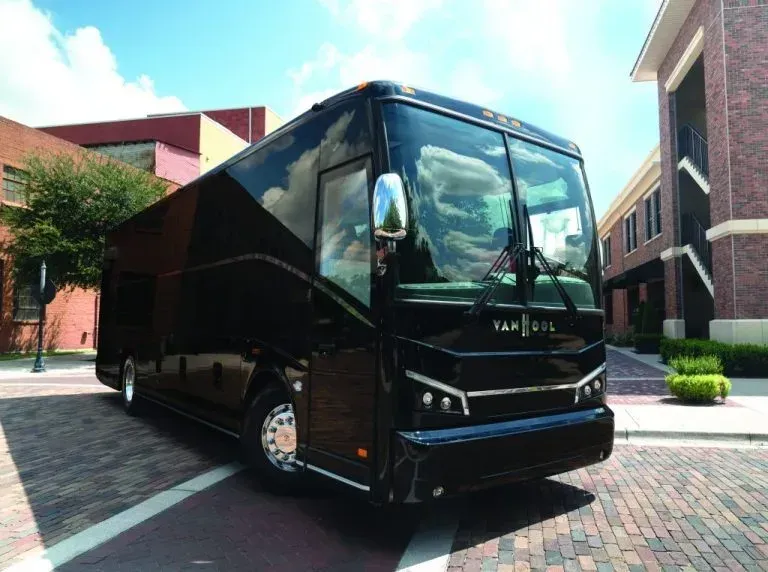
Arranging transportation for a large group can quickly grow into a complex assignment when multiple schedules, pickup logistics, and travel expectations come into play. Whether the occasion involves corporate gatherings, family celebrations, group outings, or special events, ensuring everyone arrives together and on time requires thoughtful planning. A well-organized transportation strategy helps eliminate confusion, reduces delays, and creates a more enjoyable experience for everyone involved. By recognizing the essential aspects of group transportation management, organizers can develop a smooth travel experience from start to finish.
When groups travel as one, transportation becomes much more than a means of getting passengers from one point to another. It plays a valuable role in shaping the complete event experience. Proper coordination helps maintain schedules, improves communication among participants, and contributes to a more comfortable journey. At A1 Quality Express Limousine, we recognize the value of providing structured transportation solutions that allow groups to travel comfortably and confidently.
Begin Transportation Planning Early
Reliable group transportation starts with thoughtful preparation ahead of time. Late planning can reduce transportation choices and make it more difficult to satisfy group requirements. Planners should start by identifying passenger counts, travel schedules, anticipated departure times, and destination get more info needs. Early information gathering lays the groundwork for transportation arrangements that complement the event timeline.
Proactive planning creates time to address concerns before they develop into larger obstacles. Event schedules, transportation logistics, accessibility considerations, and roadway conditions all play a role in shaping transportation plans. Addressing these factors in advance helps organizers establish a transportation plan that supports smooth movement. Thorough preparation often results in smoother travel experiences and fewer unexpected disruptions.
Understand the Specific Size and Needs of the Group
One of the primary aspects of group transportation planning is determining passenger numbers and specific requirements. Reliable attendance numbers contribute to selecting appropriate transportation options and maximizing efficiency. Attendance estimates should be confirmed early and adjusted as necessary as arrangements progress.
Apart from determining group size, attention should be given to the unique needs of participants. Different passengers may require additional baggage capacity, accessibility accommodations, or other forms of assistance. Awareness of these details supports transportation arrangements that better serve the group. Taking the time to gather comprehensive information helps create a more comfortable and efficient experience for all passengers.
Design a Well-Organized Transportation Schedule
A structured transportation timetable acts as a blueprint for all participants. Coordinators should define departure timings, pickup areas, estimated travel durations, arrival expectations, and stopovers along the route. A detailed itinerary reduces confusion and ensures everyone knows where and when they need to be. Clarity and consistency are particularly important when handling larger groups with many participants.
Communication is a key factor in ensuring schedules work effectively. Every passenger should receive transportation details well before the event begins. Distributing itineraries via email, messaging apps, or printed documents ensures everyone stays informed. Well-defined expectations contribute to smoother and more efficient transportation execution.
Establish Centralized Pickup and Drop-Off Locations
Organizing numerous pickup areas often increases logistical difficulty for large groups. Whenever possible, organizers should establish centralized pickup and drop-off points that are convenient for participants. Consolidating gathering locations helps streamline the boarding process and reduces delays caused by coordinating multiple stops. This approach improves communication flow and strengthens overall efficiency.
Central meeting points also help ensure all travelers are accounted for prior to departure. Team leaders can confirm group members, distribute information, and handle inquiries before departure. An organized system helps ensure readiness and schedule adherence. Defined meeting locations greatly improve coordination throughout the journey.
Emphasize Clear Communication Across the Entire Process
Effective communication is one of the most valuable tools in successful transportation coordination. Travelers should be consistently informed about timing, pickup guidance, expectations, and updates. Providing accurate information helps eliminate confusion and allows passengers to prepare appropriately for the trip. Good communication improves operational flow and traveler satisfaction.
Planners should implement dependable channels for sharing updates throughout the event. Group chats, email updates, and assigned representatives help ensure fast communication. Communication consistently serves as the unifying factor in organized transportation. Frequent updates improve reassurance and reduce potential issues.
Be Ready for Unplanned Events
Carefully structured transportation plans can still be affected by unexpected events. Weather issues, traffic delays, schedule changes, and participant lateness may require fast decisions. Adding flexibility to plans helps coordinators respond efficiently to unexpected issues. Being prepared strengthens adaptability and keeps operations running smoothly.
Contingency planning should include backup communication methods, alternate routes when appropriate, and designated points of contact who can assist with decision-making. Having procedures in place for handling unexpected challenges helps reduce stress and supports a more organized response. Early planning supports continued efficiency despite modifications.
Emphasize Comfort and Convenience for Passengers
Comfort is a major factor in the overall travel experience. Groups traveling together for long periods require strong focus on comfort. Proper seating arrangements and organized boarding improve the overall journey atmosphere. When passengers are comfortable, they tend to have a better experience and arrive ready.
Convenience also plays a key role in effective transportation planning. Simplified processes help avoid confusion and delays for passengers. Thoughtful coordination allows travelers to enjoy the event freely. A smooth and convenient trip often improves the overall success of the event.
Partner with Skilled Transportation Experts
Transportation coordination for large groups includes many details, making professional help essential. Experienced providers know how to manage timing, passenger coordination, and operational efficiency. Professional experience helps ensure structured and dependable transportation planning.
Experienced teams offer insights that improve planning and execution. Their understanding of group transport enables them to predict challenges and provide solutions. Using expert support allows organizers to concentrate on the event while logistics are managed properly.
Treat Transportation as Part of the Overall Experience
Group travel should be treated as part of the event experience rather than basic transit. Organized transportation helps passengers enjoy and engage before the event begins. Well-managed transport enhances the event atmosphere and experience.
At A1 Quality Express Limousine, we know that successful transportation is built on planning, communication, and service excellence. Organizing large-group transportation does not need to be overwhelming when proper strategies are applied. Attention to structure and comfort ensures successful group transportation experiences. We take pride in offering transportation solutions that support confident and stress-free travel.